
The Buzz
What happened to the slow times in life?

Cup of tea.
Ah, right, the dishwasher needs filling.
I’ve been away from the desk too long, I need to get back and check Teams.
Missed call, great.
Ding! Who’s this messaging, can’t they see I’m on a call?
Ping! Email from so and so, they aren’t happy with my last update email.
The Ring door bell goes, the gas man has arrived to look at the boiler and I need to shift the tumble dryer out the way. It’s bloody heavy and awkward.
I have 15 minutes until my next meeting, better make this quick.
It’s 11:25 and I haven’t brushed my teeth, better get that done before the meeting.
“Sorry I’m late, it’s been a hell of a morning”. My fellow attendees empathise and explain how rushed they feel this morning.
The call ends and my head is spinning. What next? Do I eat lunch, or respond to the crappy email?
Better keep going, if I stop I’m not going to want to start again.
The boss wants me to drop everything, there’s something urgent and entirely preventable that has happened. It’s now an emergency.
It’s later in the day, and I find myself on a Teams call, scrolling on my phone. My listening is passive at best, and switched off at worst. I catch pieces of conversation. I’m just listening out for actions, or anything where my name is mentioned.
It’s 16:04. I feel like the day has gotten away with me. My head is humming, vibrating from the jolts and changes in direction.
The front door opens and hear the bustle of shoes being taken off in the hallway. Footsteps to the office follow.
Other half: “What’s for tea?”.
Me: “I don’t know, I haven’t even had lunch yet”.
…
Why do we do this?
Why have we gotten like this?
Why is life so fast?
Everything feels like it is 100 miles an hour all the time.
What happened to the slow times?
I find myself googling, “How to slow life down”.
We’ve been in this gear for so long, we’ve actually forgotten and need reminding.
…
Why does it happen though?
What is it?
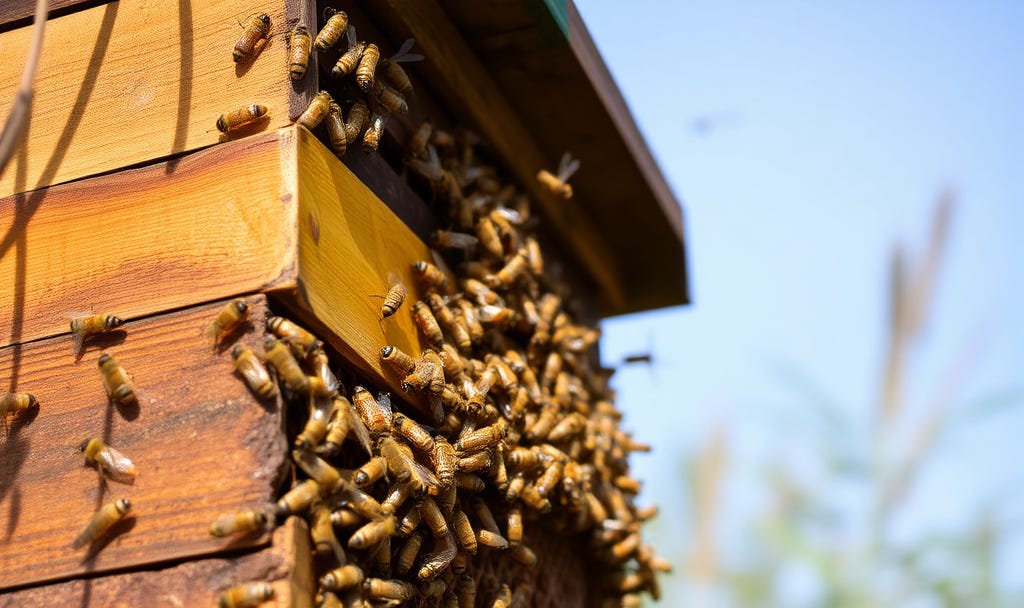
I feel like it’s a buzz. A fever. A frenzy.
The buzz, is a busyness that we ourselves create out of a sense that we have to move fast.
I’ve been scratching my head about this for a while. It’s not just one thing that makes us move fast. It’s that everything has changed.
I talked about it a bit on my last post. How we are creating deep psychological changes in our home and working lives with technology.
We are unique in that we are in a time where the technology we have, has never been seen before. So, I argue that whilst it appears that technology is the problem, I think it’s a human problem of the contextual application of technology.
We occupy instant messaging at work as though it were the same as emails. I believe this is because we’ve never had this in the workplace before and we don’t yet understand how to contextualise this tool’s benefit in and amongst our other tools.
When we open WhatsApp and someone texts, we feel obligated to respond right away because the sender has “seen” that we’re available. It seems that everything has a status to indicate if you’re “online” or not. We feel guilty that someone might feel ignored.
I think that this “always online” culture that technology tools allow us to buy into is stripping away our ability to say no. We have so few barriers for someone to get hold of us now. If someone can’t catch you on WhatsApp, there is always iMessage, or Facebook messenger. A person can only ignore so many messages for so long. It feels like we become a slave to our phone, rather than our phones being a tool to help us through life. Because we can’t say no, we cram. We cram because why not fit in an extra appointment? You don’t know when the boiler man will be free again because he’s so busy.
By feeling like we’re always seen online, and by feeling like we don’t have a justification for saying no, it means that we’re reacting all of the time. We’re not being proactive, planning, and living as fulfilling lives.
For me, and for us to recover from these conditions, life has to involve offline time. Like I said above though, technology isn’t the only factor that’s changed.
We had a pandemic which closed communities, clubs, workplaces, schools, and shops for months. Either way you look at it groups of people that came together were disbanded, some to never return from isolation. I believe that some of what has happened has been the death of leisure and hobby time. We no longer have so many physical meet-ups with people in our local community that share our common interests.
We’ve taken to the global communities in Social Media. I’m not saying that they don’t offer the social element, what I do think they miss out on is a lot. It takes a lot of willpower to avoid what the algorithm feeds you on an app, this will take time away from your hobby that your community is focused on. I think we lose something too, something intangible when we’re not in the room with each other. The sense of sharing the same space, and also having made the effort to get to your meet-up and pack your things etc. Joining a zoom call is less of an ‘event’ in my eyes. It’s not so easy to be present, and drift our attention away.
So, I believe because of the absence of more local communities which drive our hobbies, our free time is a vacuum that is being filled with the convenience of feeds and videos. What does that mean? We don’t have an outlet anymore or a space to create slow time for ourselves. When was the last time that you felt fulfilled after watching another YouTube Short, an Instagram Reel, or a TikTok? I’m not demonising these platforms, and as someone who enjoys cooking I get a lot of benefit from TikTok in particular. What I am saying is that if we are filling our leisure time with platforms rather than hobbies, what does that actually leave us with?
If everything that I’ve described above is happening, not just to us, but for everyone. What does that world look like? A world where we are at the beck and call of notifications. A world where we don’t feel like we can say no. A world where everyone is busy. It looks like we will be frantic, we will be stressed out, we will be overstimulated, and most important living less meaningful and present lives.
If how we live our days is how we live our lives then it’s worth examining how we are losing ourselves in busyness, and not really getting anything done. Not anything that we want, and not on our terms.
…
What could the future look like?
Planned time away from technology (especially Social Media and Instant Messaging). This means we are living life on our terms, not just everyone else’s.
Time to sort out life admin, and for planning. If we’re going to turn the tables from reactive to proactive, we actually have to be proactive.
Finding local communities that are focused around a common interest or hobby. This means you are spending time with other people that love something you have in common, and you are contributing to something that fulfils you.
Being aware of when we are sacrificing our needs being met, and creating boundaries to protect them. This means taking your lunch break at work. This means, not reacting (unless absolutely necessary), and single-tasking at work.
This means that we could have less crammed schedules, healthy boundaries with people and work, and a sense of meaning that comes from passion projects and hobbies.
I like the sound of that very much.